How to care on natural textiles, leather and armor (part 1.)
Washing
The most popular fabrics in reenactment are linen, wool and silk. Any of them needs in careful using and handling. Especially if your garment is handsewn. A few simple advices help you save your lovely clothes as long as possible.
Linen
Natural linen don't like a machine washing. Of course, you can do it in modern washing machine with delicate regime. However I recommend you hand washing. Just let your linen tunic lay in warm soap water (not more 30 °C for white, not more 20 °C for naural dying) and softy rub it. Carefully rinse linen garment with cold water, softy wring out and let it dry on flat surface or hang on the rope.
Wool
We like 100% wool fabric. It looks like so authentic ang historically accurate. But this type of fabric has its own character: the wool can degrees its size or on the contrary to stretch. Thats why you need to watch on your woolen garment diligently. Manual brushing it is a nice alternative of washing. If your clothes stays durty after that you may wash it, but only in barely warm soap water (not more than 18 °C). Softy wring out and let it dry on flat surface. And don't hang it at all.
Silk & Velvet
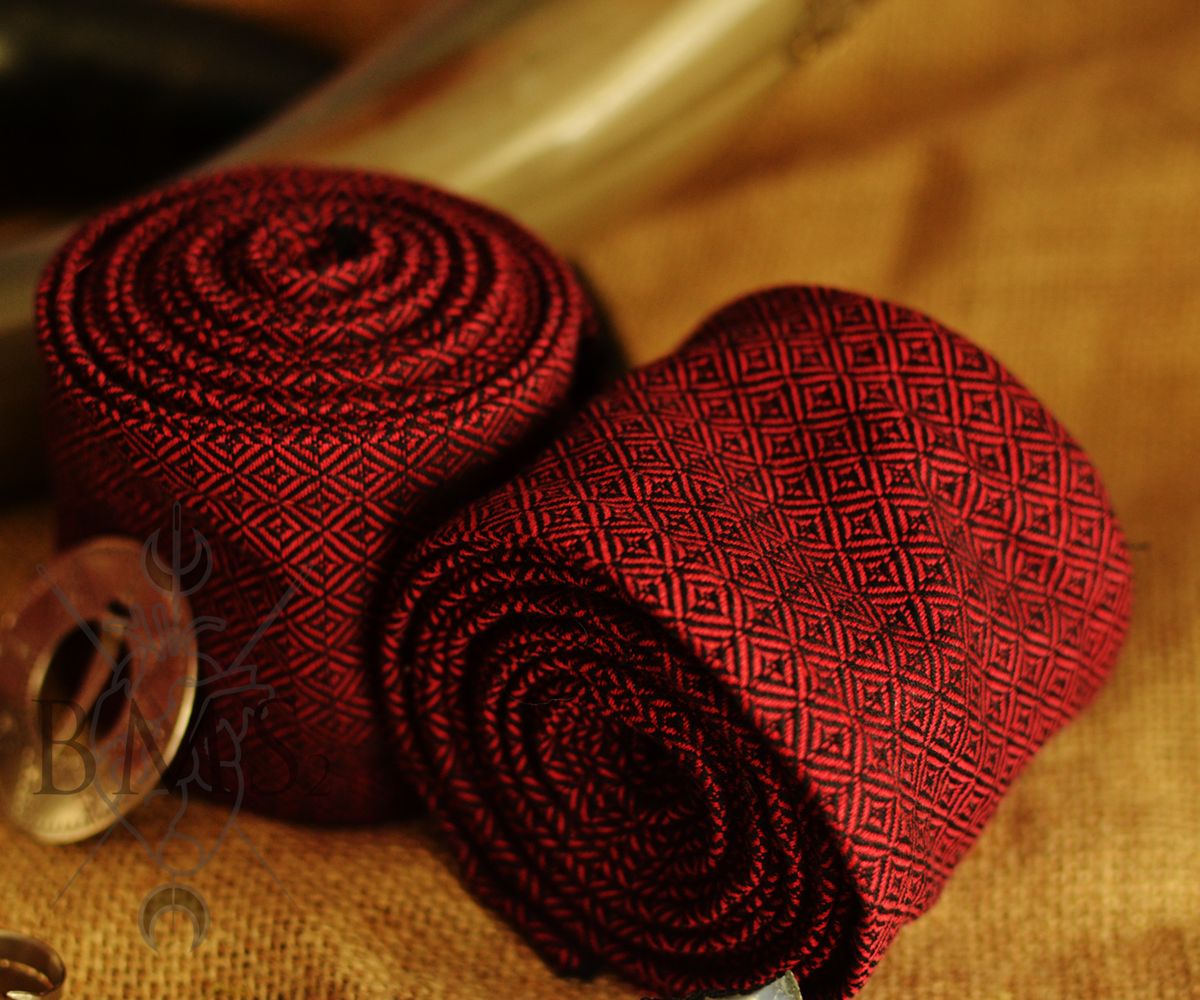
Silk is a very delicate material. Therefore, I advise you to wash it in warm water only by hand. Especially if all the seams are hand-sewn. Softy wring out your silk garment and hang it on a rope. For velvet I recommend only мanual brushing.
Ironing
The best way to iron natural fabrics is with a steam iron. This way you protect the fabric from damage from a horizontal iron. If you only have a regular iron, you should iron your clothes only through a thin cloth, such as calico. Also you may lay some towel under a velvet fabric during its ironing. This will help keep your garment in good condition.